How to Identify Safe and Licensed Bitcoin Casinos in Canada: A 2026 Player's Guide to Avoiding Fraud and Protecting Your Funds
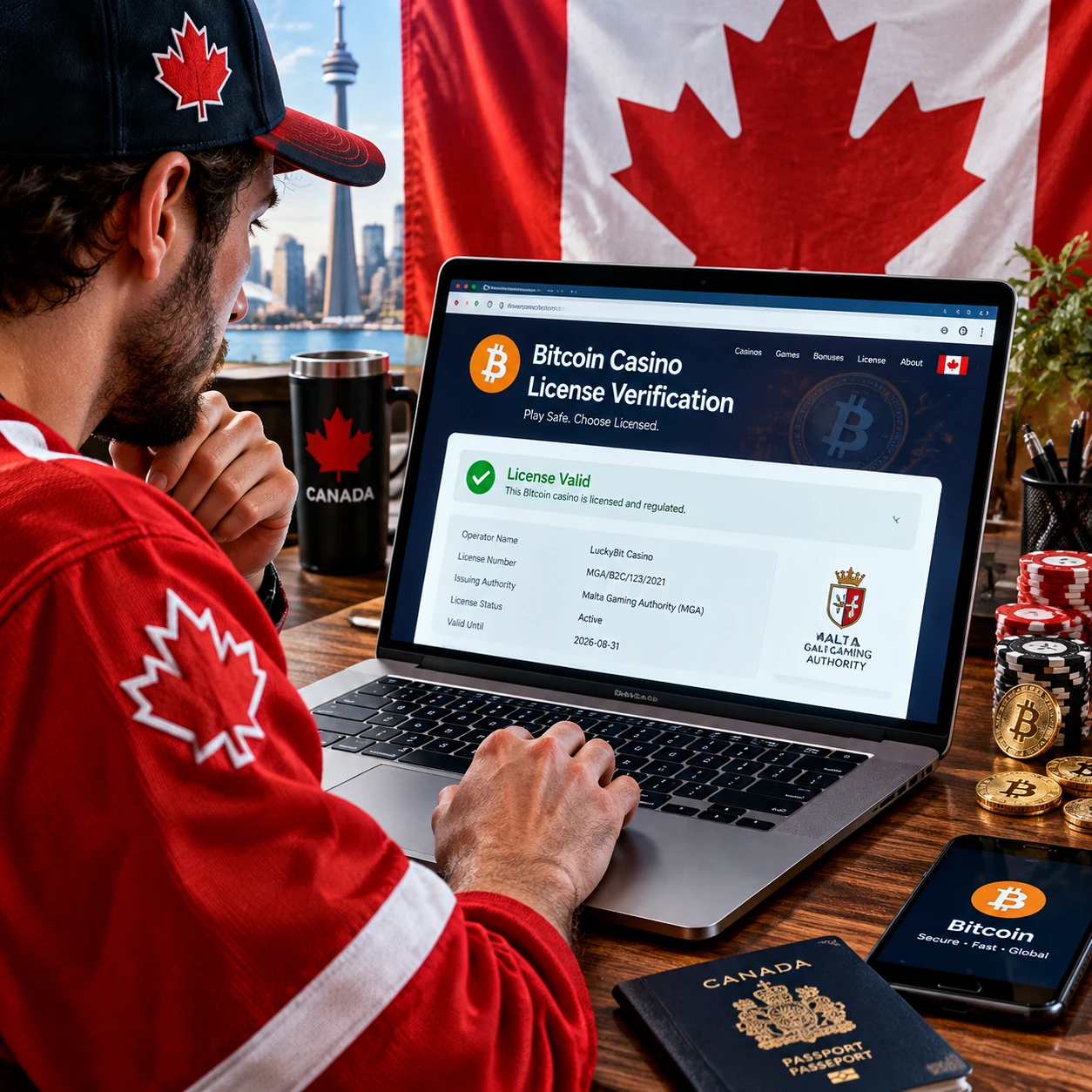
Crypto gambling took off across Canada fast — faster than most regulators could really keep pace with. And I get why. Instant deposits, almost nothing in fees, privacy that old-school banking just can't offer... it's pulled in thousands of new players from Toronto all the way to Vancouver. But growth like that drags a shadow behind it. A wave of fraudulent platforms has shown up too, built to look legit while they quietly drain wallets in the background. I've put real hours into researching this space, and in 2026, the gap between a trustworthy operator and a well-dressed scam has gotten genuinely hard to spot at first glance. This guide walks through how to actually tell the difference, so you can play without handing your funds to a casino that was never really there.
Why Bitcoin Casinos Attract Both Players and Scammers
The appeal isn't complicated. Bitcoin and other cryptocurrencies let Canadian players move money in minutes instead of days, dodge the fees credit card processors love to charge, and keep a level of anonymity that privacy-minded gamblers actually want. Here's the catch, though: those same qualities are exactly what makes this corner of the internet a playground for bad actors. No central bank sits between you and your transaction. No customer service line to call when something feels off. No single regulator watching every operator that pops up overnight — and plenty do.
The Unique Risks of Crypto-Based Gambling
Unlike a bank transfer or a credit card charge, a crypto transaction is final the second it confirms on the blockchain. No chargeback. No dispute process. No undo button. Add in the fact that a lot of crypto casinos operate under shell companies or anonymous ownership, and you end up with a situation where getting your money back once it's gone is close to impossible. That's the single biggest difference between gambling with crypto and gambling through a traditional, regulated online casino that takes Interac or Visa.
Understanding Licensing for Bitcoin Casinos in Canada
Licensing is where most of the confusion starts, and I don't blame anyone for getting lost in it. In Canada, provincial bodies like the Alcohol and Gaming Commission of Ontario (AGCO) regulate online gambling within specific provinces, while the Kahnawake Gaming Commission, based in Quebec, has long been a respected issuer of licenses for operators serving both international and Canadian players. Then there's the offshore side of things — Curacao and Malta Gaming Authority licenses show up constantly among crypto-focused platforms. Some of these are perfectly legitimate. But the bar for getting a Curacao license has historically sat lower than what Kahnawake or Malta demands, and that matters more than people realize.
A real license tells you the operator passed certain audits, keeps player funds segregated, and answers to some kind of dispute resolution process. What it doesn't tell you? That the casino is immune to shady practices entirely. Licensing is a baseline — not a bulletproof vest.
Red Flags in Fake License Claims
Scammers have gotten clever about faking legitimacy, and the fakes keep improving. Watch for license numbers that don't match anything in the official registry, verification links that dead-end at 404 pages or unrelated sites, and company names on the license that don't line up with the casino's actual branding. If a site claims Kahnawake licensing but the registered company name is something you've never heard of and can't track down anywhere else — that's a serious warning sign. Not a maybe. A stop.
Step-by-Step Checklist to Verify a Casino's Legitimacy
Before depositing a single satoshi, run through this checklist:
- Search the license number directly on the regulator's official registry, not just the casino's own page
- Confirm the site has a valid SSL certificate by checking the padlock icon and certificate details in your browser
- Look up the casino's payout history and average withdrawal times through independent review aggregators
- Research the parent company's registration records, including jurisdiction and incorporation date
Canadian players should also know there are consumer protection and anti-fraud resources tracking financial scam patterns, including ones tied directly to online gambling. Organizations monitoring bitcoin casinos fraud trends, like those affiliated with ipac-amac.ca, can be a genuinely useful resource for cross-referencing suspicious platforms or reporting operators running deceptive schemes. Pair that kind of watchdog resource with your own digging, and you've added another real layer of protection before you ever commit funds.
Tools and Resources for Due Diligence
Beyond official registries, independent review sites like Casino.org or AskGamblers often flag operators sitting on unresolved player complaints. Blockchain explorers such as Etherscan or Blockchain.com let you trace whether a casino's published wallet addresses show consistent, legitimate transaction patterns — rather than going suspiciously quiet right after big deposits roll in. And don't sleep on community forums. Reddit threads and Trustpilot reviews surface real player experiences, good and bad, often well before mainstream review sites even notice something's wrong.
Common Scam Tactics Targeting Canadian Crypto Gamblers
Fraudulent operators tend to run the same playbook, over and over. There's the classic bonus trap — a casino advertises a massive welcome bonus, then buries it under wagering requirements so convoluted that actually withdrawing becomes practically impossible. Then there's the 'verification delay' move, where a legitimate-looking withdrawal request suddenly triggers endless document requests, stalling until the player gives up or the casino just vanishes. Phishing wallets are another growing problem — fake deposit addresses that mimic a real casino's wallet but quietly route funds to a scammer instead. And clone websites, built to look nearly identical to well-known, reputable brands, have gotten scarily sophisticated by 2026.
How to Spot a Clone or Impersonator Site
Always check the URL character by character. Scammers love swapping a lowercase 'l' for an uppercase 'I,' or sneaking in an extra letter that's easy to miss if you're scrolling fast. Inspect the SSL certificate details to confirm they match the real company name — not some generic or mismatched entity. And cross-reference the casino's official social media accounts. Legitimate operators usually run verified, active profiles with consistent branding, while clone sites tend to show up with thin, recently created social presences that just don't add up.
Best Practices for Protecting Your Crypto Funds
Even with a fully legitimate casino, your own security habits matter more than most people assume. I always recommend using a dedicated wallet just for gambling transactions, not your main savings wallet — it limits exposure if something goes sideways. Turn on two-factor authentication everywhere it's offered. And never, under any circumstances, share your seed phrase with anyone, including 'support staff' claiming they need it to fix an issue (they don't — that's always a scam). Setting personal deposit limits helps too, keeping losses contained even if you end up on a platform that turns out to be less reputable than it looked.
What to Do If You've Been Scammed
If you think you've been defrauded, move fast. Document every transaction — wallet addresses, timestamps, screenshots of any communication with the platform. Report the incident to the casino first, though don't expect much cooperation if it's a true scam operation; they're usually long gone by the time you notice. File a complaint with the Canadian Anti-Fraud Centre, which tracks these patterns nationally and can sometimes help with broader investigations. And finally, alert major crypto exchanges about the fraudulent wallet address. Many exchanges maintain blacklists and can flag or freeze funds if the scammer tries to cash out through their platform.
Navigating Bitcoin casinos safely in Canada really comes down to three things: verifying licensing through official channels instead of taking a casino's word for it, using the right due diligence tools before you ever deposit, and keeping solid personal fund-protection habits throughout your play. The regulatory landscape around crypto gambling keeps shifting, and scammers keep adapting right along with it — staying one step ahead when they can. Staying informed, a little skeptical, and methodical isn't just good advice here. It's pretty much the only real defense you've got in an industry where your funds, once sent, rarely come back.